
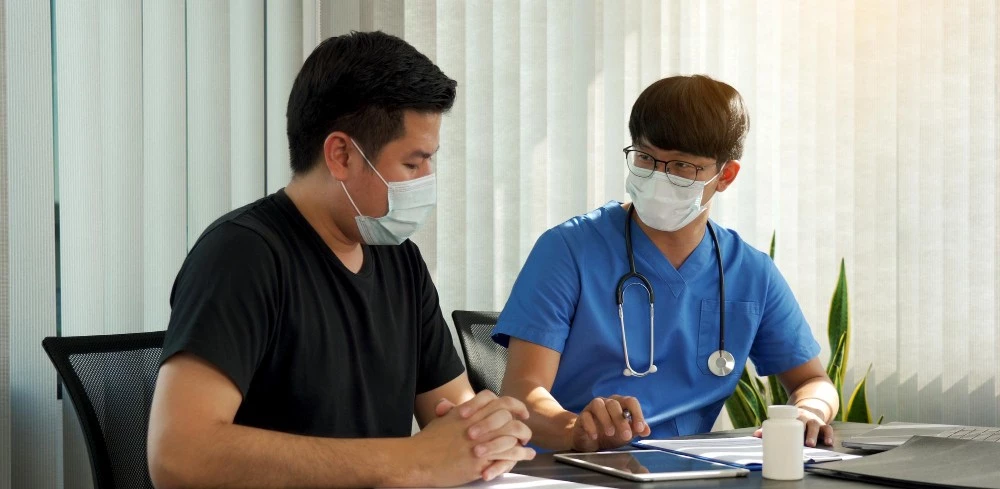
Health Surveillance for Bakery Workers
Get in touchAt Health Surveillance, we provide monitoring programmes for bakery workers , designed to protect employees from workplace hazards in the baking and food production industry.
Bakery workers are particularly at risk of developing respiratory conditions such as asthma, allergic rhinitis, and long-term lung damage due to regular exposure to flour dust and other allergens.
Under the Control of Substances Hazardous to Health (COSHH) Regulations 2002), employers must carry out health surveillance when there is a risk of asthma or other occupational illnesses caused by flour or enzyme dust.
Our service ensures compliance, early detection, and long-term protection of staff.
Request a free quote for professional medical assessments for bakery employees today.
Why is Health Surveillance Important for Bakery Workers?
Flour dust is one of the UK’s leading causes of occupational asthma.
Exposure in bakeries, food manufacturing plants, and kitchens can lead to symptoms such as wheezing, coughing, and breathlessness.
Health surveillance for bakery workers ensures these symptoms are identified early, allowing interventions before the condition becomes chronic.
For employers, it helps meet COSHH requirements and demonstrates a strong duty of care.
What Does Health Surveillance for Bakery Workers Involve?
Medical surveillance typically includes baseline health questionnaires to establish pre-existing conditions, followed by regular respiratory health reviews.
Spirometry (lung function testing) is often used to detect changes in breathing capacity.
Workers are also asked about symptoms such as coughing, chest tightness, or shortness of breath. If issues are detected, referrals are made to an occupational health professional for further assessment.
How Often Should Bakery Worker Health Checks Be Carried Out?
The frequency of checks depends on the level of flour dust exposure.
For high-risk roles, such as dough mixing or flour handling, annual surveillance is generally required.
In lower-risk bakery roles, checks may be carried out less frequently but must still follow COSHH risk assessment findings.
Baseline assessments for bakery workers should always be conducted before exposure begins.
What are the Benefits of Health Surveillance for Bakery Workers?
The main benefit is that it protects bakery staff from long-term respiratory illness while keeping employers compliant with the law.
Key benefits include:
Detects early signs of occupational asthma and lung damage.
Ensures compliance with COSHH.
Reduces sickness absence and protects productivity.
Provides reassurance to employees working in high-risk roles.
Demonstrates employer responsibility to regulators and staff.
What Symptoms Are Monitored in Bakery Worker Health Surveillance?
Health checks focus on early indicators of respiratory problems, including wheezing, coughing, shortness of breath, chest tightness, and eye or throat irritation.
Spirometry tests provide objective data to identify lung function decline, even before employees notice symptoms. Monitoring ensures timely referrals and appropriate workplace adjustments.
Is Health Surveillance for Bakery Workers a Legal Requirement?
Under COSHH, employers must provide health surveillance for staff who are exposed to substances that can cause occupational asthma, including flour and baking enzymes.
Records must be maintained for at least 40 years to track potential long-term effects.
Non-compliance can lead to HSE enforcement action, fines, or prosecution.
What Is the Cost of Health Surveillance for Bakery Workers?
The cost of medical assessments for bakery workers is from £80 to £120 per employee.
Medical reviews by occupational health professionals may range from £150 to £200+ per employee.
Costs vary depending on workforce size and the type of checks carried out.
Larger organisations often benefit from tailored surveillance packages that reduce per-person costs.
What Happens If Health Surveillance Detects Asthma?
If a bakery worker shows signs of occupational asthma, they will be referred for medical assessment.
Employers may need to reduce the employee’s flour dust exposure, provide respiratory protective equipment, or reassign them to alternative duties.
Immediate action is essential both to protect the employee’s health and to ensure compliance with HSE and COSHH regulations.
How Are Records Managed for Bakery Worker Health Surveillance?
Employers must securely retain health records for a minimum of 40 years, as respiratory conditions can take time to develop.
Records include baseline assessments, spirometry results, and medical referrals.
While results are confidential, HSE may request access to ensure legal compliance.
Proper record keeping protects both employees and employers.
Which Bakery Roles Require Health Surveillance the Most?
Roles that involve direct handling of flour or enzymes, such as dough mixing, weighing, sifting, and cleaning flour silos, carry the highest risks.
Workers in these roles are exposed to airborne dust levels that can easily exceed safe limits.
Employers must prioritise health surveillance for these employees to ensure early detection of asthma and compliance with COSHH.
Can Health Surveillance Prevent Long-Term Illness for Bakery Workers?
While surveillance cannot eliminate exposure, it provides an essential safeguard by detecting respiratory problems at an early stage.
Spirometry and questionnaires can identify early lung function decline, enabling interventions such as task rotation, ventilation improvements, or PPE use.
Our proactive monitoring helps prevent asthma or chronic obstructive pulmonary disease from becoming disabling conditions for bakery workers.
How Does Health Surveillance for Bakery Workers Support HSE Compliance?
The Health and Safety Executive (HSE) classifies flour dust as a substance capable of causing occupational asthma.
Employers are therefore required under COSHH to conduct regular health surveillance.
Keeping accurate records, providing spirometry, and acting on medical advice demonstrates compliance and protects businesses from potential fines, improvement notices, or reputational damage.
Are Bakery Worker Health Records Confidential?
All bakery health surveillance records are strictly confidential and handled in line with GDPR requirements.
Employees are informed of their own results, while employers receive only certificates of fitness to work or adjustment recommendations.
Confidentiality encourages staff to engage openly in the process, ensuring accurate monitoring.
What Preventive Measures Should Support Health Surveillance?
Employers must combine surveillance with preventive controls to reduce flour dust exposure.
Measures include local exhaust ventilation, enclosed mixing systems, use of respiratory protective equipment (RPE), and good housekeeping practices to minimise dust build-up.
Training staff on safe handling of flour and effective cleaning methods complements surveillance, creating a comprehensive system of protection.
How Long Should Health Surveillance Records Be Kept for Bakery Workers?
Health surveillance records must be kept for at least 40 years, since occupational asthma can develop long after initial exposure.
These records should include baseline assessments, spirometry data, and certificates of fitness for work.
Secure and accurate record keeping ensures compliance with COSHH and provides long-term protection for employees and employers.
Schedule a Medical Assessment for Bakery Workers
At Health Surveillance, we provide legally compliant monitoring programmes for bakery workers that safeguard staff from respiratory illness.
Our services ensure early detection, accurate record keeping, and reassurance for employees, while helping employers meet COSHH obligations.
Contact Health Surveillance for Bakery Workers today to arrange a tailored health surveillance programme for your business.