
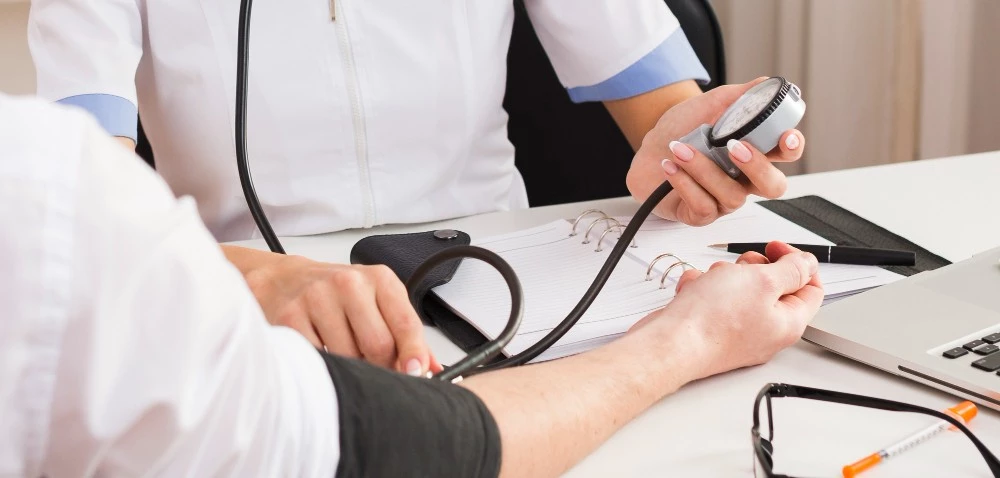
Health Surveillance for Lead Exposure
Get in touchAt Health Surveillance, we provide specialist monitoring programmes for employees for lead exposure , working with or around lead.
Lead is a highly toxic substance that can enter the body through inhalation of dust and fumes or ingestion via contaminated hands, surfaces, or clothing.
Prolonged exposure may cause serious health conditions, including anaemia, kidney and nerve damage, reproductive problems, and in some cases cancer.
Under the Control of Lead at Work Regulations 2002, employers are legally required to provide health surveillance for workers at risk.
Request a free quote today and ensure early detection of lead-related health problems.
Why is Health Surveillance Important for Lead Exposure?
Lead-related illnesses can begin with subtle symptoms such as fatigue, headaches, or abdominal pain, which are easily overlooked.
Without surveillance, these can progress to irreversible organ or nervous system damage.
Health surveillance allows early detection of rising blood-lead levels, ensuring timely intervention before serious illness develops.
For employers, it demonstrates compliance with the law and a clear duty of care to staff.
What Does Health Surveillance for Lead Exposure Involve?
Surveillance includes baseline lead assessments before employees begin work, followed by routine medical examinations and biological monitoring.
The most common test is a blood lead level analysis, which measures the amount of lead accumulated in the body.
Health questionnaires and medical examinations are also used to identify early symptoms.
Where abnormalities are found, workers are referred to an appointed occupational health physician for further review.
How Often Should Lead Health Surveillance Be Conducted?
The frequency of checks depends on the employee’s role and the lead exposure risk.
Workers with significant exposure may require blood tests every three months, while lower-risk roles may be monitored annually.
All new employees must undergo a baseline medical before starting work with lead.
Regular reviews are then essential to ensure ongoing safety.
What are the Benefits of Health Surveillance for Lead Exposure?
The main benefit is that it protects employees from serious illness while keeping employers compliant with the law.
Key benefits include:
Detects raised blood-lead levels before symptoms worsen.
Reduces sickness absence and long-term health damage.
Ensures compliance with the Control of Lead at Work Regulations 2002.
Provides reassurance to employees in high-risk industries.
Demonstrates an employer’s commitment to safety.
What Symptoms Are Monitored During Lead Surveillance?
Surveillance monitors for fatigue, headaches, abdominal pain, nausea, and irritability.
Longer-term signs such as anaemia, memory issues, and kidney problems may also be tracked.
Since these symptoms can be subtle, regular blood testing is the most reliable method of detecting early health changes.
Is Health Surveillance for Lead Exposure a Legal Requirement?
Under the Control of Lead at Work Regulations 2002, medical surveillance is mandatory for workers significantly exposed to lead dust, fumes, or vapour.
Examinations must be carried out by an HSE-appointed occupational health physician. Employers must also keep surveillance records for at least 40 years, as lead-related illnesses can take decades to develop.
What is the Cost of Health Surveillance for Lead Exposure?
Costs depend on workforce size and the type of testing required.
The cost of health surveillance for lead exposure is from £80 to £120 per employee.
Full medical reviews by an appointed doctor may range from £150 to £200+ per employee.
Larger organisations often benefit from tailored packages that lower the cost per person.
What Happens If Abnormal Results Are Found?
If blood-lead levels exceed safe limits, the employee will be referred for specialist medical assessment and may be temporarily removed from lead exposure until levels fall.
Employers must review workplace controls such as ventilation, PPE, and hygiene standards.
Acting promptly is essential for compliance and employee safety.
How Are Records Managed for Lead Health Surveillance?
Medical records must be stored securely and retained for at least 40 years.
Medical records include baseline assessments, blood test results, and medical certificates.
While records remain confidential, they must be available for inspection by the Health and Safety Executive (HSE) on request.
Our health assessment company ensures both legal compliance and long-term protection.
Which Industries Require Lead Health Surveillance?
Lead is still used industries such as battery manufacturing, smelting, construction, shipbuilding, paint removal, and recycling.
Workers in these environments may inhale lead dust or fumes or ingest particles through contaminated hands or surfaces.
Employers operating in these sectors must implement health surveillance to comply with the Control of Lead at Work Regulations 2002.
Can Health Surveillance for Lead Exposure Prevent Long-Term Illness?
While surveillance cannot eliminate exposure risks, it provides early warning of elevated blood-lead levels.
Detecting changes early allows employees to be removed from hazardous tasks and treated before serious organ or nerve damage develops.
Our medical assessment company has a proactive approach that prevents long-term health complications and helps protect staff wellbeing.
How Does Lead Surveillance Support HSE Compliance?
The Health and Safety Executive (HSE) requires employers to provide lead health surveillance for workers with significant exposure.
Surveillance provides documented evidence that risks are being monitored and managed.
Accurate records, regular testing, and acting on medical advice demonstrate compliance and reduce the likelihood of enforcement action or prosecution.
Are Lead Medicals Confidential?
All medical information gathered during lead surveillance is confidential.
Employees receive their own results directly, while employers are provided with a fitness-to-work certificate or recommendations for adjustments if needed.
We ensure privacy is respected while still allowing employers to meet their duty of care.
What Additional Controls Should Accompany Lead Surveillance?
Health surveillance works best when combined with strong preventative measures.
Employers should provide effective ventilation, enforce strict hygiene practices, supply PPE such as respirators and gloves, and ensure regular workplace cleaning.
Training workers in safe handling of lead further reduces risks. Together, these measures and surveillance provide comprehensive protection.
Request a Free Quote for Lead Assessments
At Health Surveillance for Lead Exposure, we deliver legally compliant and professional monitoring to safeguard workers and support employers.
Our programmes ensure early detection of risks, accurate records, and peace of mind.
Contact Health Surveillance for Lead Exposure today to arrange your tailored workplace surveillance programme.