
Health Surveillance for Dermatitis
Get in touchAt Health Surveillance for Dermatitis, we provide workplace monitoring programmes to protect employees exposed to skin hazards .
Occupational dermatitis is one of the most common work-related illnesses in the UK, affecting workers in industries such as healthcare, construction, cleaning, catering, and hairdressing.
Contact with chemicals, oils, solvents, detergents, and even wet work can lead to painful and long-lasting skin conditions.
Under the Control of Substances Hazardous to Health (COSHH) Regulations 2002), employers must provide health surveillance if there is a risk of dermatitis.
Our services ensure early detection, secure record keeping, and compliance with HSE requirements.
Request a free quote for health surveillance for dermatitis today.
Why Is Health Surveillance Important for Dermatitis?
Occupational dermatitis often starts with redness, itching, or dryness but can quickly progress to severe rashes, cracks, and blisters.
These conditions can make it difficult for employees to continue working and may lead to long-term sickness absence.
Health surveillance ensures that symptoms are identified early, allowing treatment and adjustments to prevent the illness from becoming chronic.
What Does Health Surveillance for Dermatitis Involve?
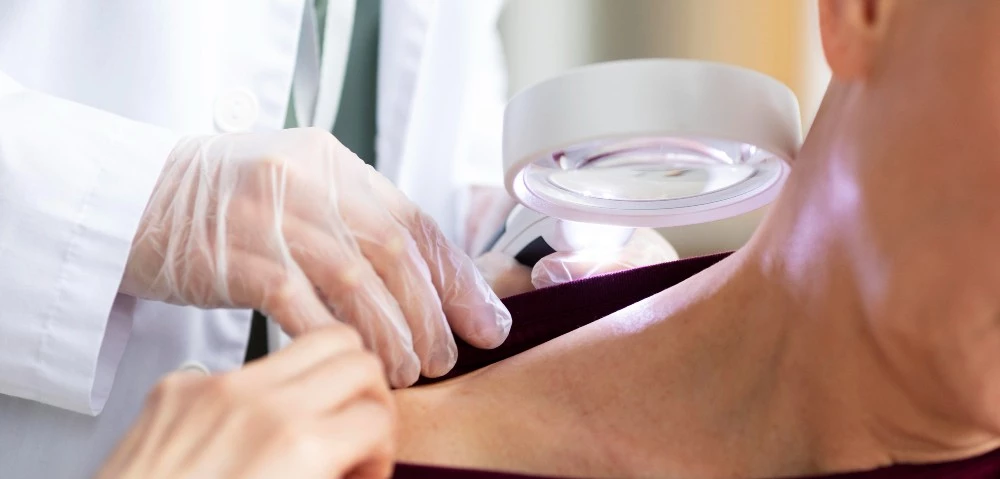
Surveillance typically begins with a baseline skin check before exposure starts, followed by regular inspections of affected areas such as hands and forearms.
Employees may also complete questionnaires about symptoms like irritation, burning, or dryness.
Where abnormalities are found, workers are referred to an occupational health professional for further medical assessment.
Preventive advice is also given, such as the correct use of gloves and barrier creams.
How Often Should Skin Health Surveillance Be Conducted?
The frequency of surveillance depends on the risk level identified in the COSHH assessment.
In high-risk roles, such as healthcare staff exposed to cleaning agents or construction workers handling cement, checks may be carried out every 6 to 12 months.
For very high-risk workplaces, inspections may be required more often.
Baseline assessments are always necessary before exposure begins.
What Are the Benefits of Health Surveillance for Dermatitis?
The main benefit is that it protects employees from long-term skin conditions while helping employers comply with legal requirements.
Key benefits include:
Identifies early signs of dermatitis before they become severe.
Ensures compliance with COSHH.
Reduces absence and supports employee wellbeing.
Demonstrates employer responsibility to regulators and staff.
Provides reassurance for workers in high-risk industries.
What Symptoms Are Monitored During Skin Surveillance?
Surveillance looks for redness, rashes, cracks, itching, dryness, swelling, or blisters on exposed skin areas.
Employees are also asked whether symptoms worsen during work or improve when away from the workplace.
Even minor signs are investigated to prevent long-term damage.
Is Health Surveillance for Dermatitis a Legal Requirement?
Under COSHH, employers must provide skin health surveillance if employees are at risk of dermatitis from hazardous exposures.
Our legal requirement applies to a wide range of industries, from food handling to chemical manufacturing.
Records must also be retained for at least 40 years, given the potential long-term effects of occupational skin disease.
What Is the Cost of Health Surveillance for Dermatitis?
The cost of health surveillance for dermatitis is from £50 to £80 per employee.
More detailed assessments with occupational health referrals may range from £100 to £150+ per employee.
Costs vary depending on the number of employees and the type of checks carried out.
Larger businesses often reduce costs per person by arranging tailored packages.
What Happens If Dermatitis Is Detected?
If dermatitis is detected, the employee will be referred for further medical investigation. Employers may need to improve PPE, introduce safer substances, or reassign tasks temporarily.
Acting quickly prevents the condition from worsening, keeps staff at work, and ensures compliance with HSE guidance.
How Are Dermatitis Health Surveillance Records Managed?
Employers must securely retain records of dermatitis health checks for at least 40 years.
Records include baseline assessments, inspection notes, referrals, and fitness-for-work certificates.
While employee details remain confidential, HSE inspectors may request access. Good record keeping ensures compliance and long-term protection for staff and employers alike.
Which Industries Require Health Surveillance for Dermatitis the Most?
Industries such as healthcare, food handling, cleaning, construction, hairdressing, and manufacturing are among the most affected.
Workers in these sectors are regularly exposed to soaps, disinfectants, oils, cement, resins, and solvents—all known causes of occupational dermatitis.
Employers in these industries are legally obliged to provide skin health surveillance to comply with COSHH and protect staff wellbeing.
Can Health Surveillance for Dermatitis Prevent Long-Term Absence?
Many cases of dermatitis become chronic if not addressed early, leading to prolonged absence and even permanent disability.
By carrying out routine skin checks, health surveillance identifies problems at an early stage.
Employers can then provide treatment, adjust roles, or improve protective measures, reducing the likelihood of staff needing extended time away from work.
How Does Dermatitis Health Surveillance Support COSHH Compliance?
COSHH requires employers to implement control measures to reduce exposure and monitor health where risks remain.
Health surveillance for dermatitis provides documented proof that workers’ skin is being monitored, records are maintained, and medical referrals are made if necessary.
Our medical surveillance company demonstrates compliance to the HSE, reducing the risk of enforcement action and protecting business reputation.
Are Skin Surveillance Records for Dermatitis Confidential?
All health surveillance records are stored securely and handled in line with GDPR.
Employees receive direct feedback on their skin health, while employers receive only certificates of fitness or workplace adjustment recommendations.
Confidentiality encourages worker participation, which is vital for the effectiveness of health surveillance programmes.
What Preventive Controls Should Employers Use Alongside Surveillance?
Employers must ensure that health surveillance is supported by robust workplace controls.
These include providing gloves and PPE, barrier creams, proper washing facilities, and safer chemical alternatives where possible.
Training staff to recognise early symptoms and follow correct hygiene practices is equally important. Surveillance then acts as a final safety measure to ensure these controls are effective.
How Long Must Health Records for Dermatitis Be Retained?
Employers must retain health surveillance records for at least 40 years.
The extended time frame of record keeping for dermatitis reflects the fact that some occupational diseases may take decades to develop.
Records should include baseline skin checks, inspection notes, and certificates of fitness. Keeping detailed long-term records ensures compliance with HSE and protects both employers and employees.
Get a Free Quote from Our Medical Technicians
At Health Surveillance for Dermatitis, we help employers protect staff from painful and disabling skin conditions.
Our services provide early detection, compliance with COSHH, and reassurance for employees.
Contact Health Surveillance for Dermatitis today to arrange your tailored workplace health monitoring programme.