
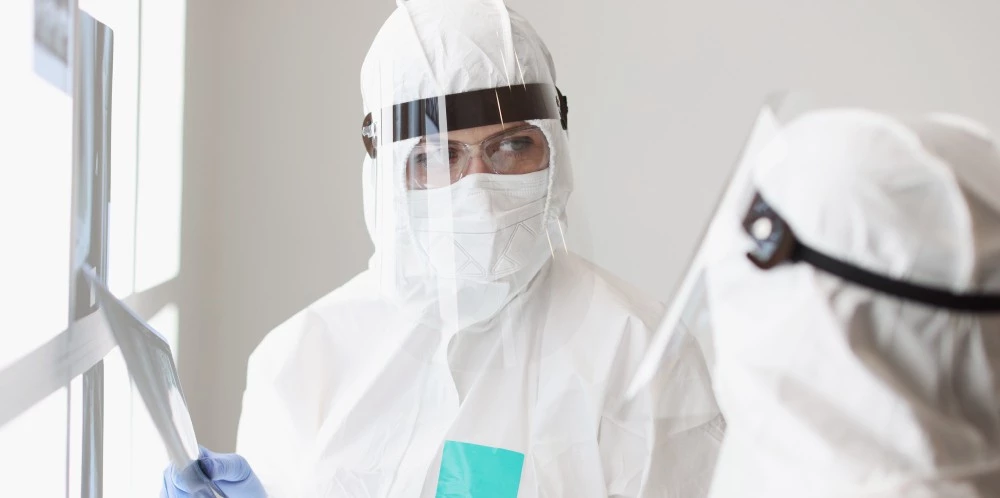
Health Surveillance for Benzene
Enquire NowAt Health Surveillance, we provide specialist monitoring for Benzene for employees who may be exposed to this substance in their work environment.
Benzene is a highly hazardous substance, commonly found in industries such as oil refining, petrochemicals, printing, transport, and rubber manufacturing.
Long-term exposure to benzene is linked to serious health conditions, including bone marrow suppression, anaemia, and cancers such as leukaemia. Under the Control of Substances Hazardous to Health (COSHH) Regulations 2002), employers must provide health surveillance for workers at risk of benzene exposure.
Our services ensure early detection of health effects, accurate records, and compliance with HSE guidance.
Request a free quote for health surveillance for Benzene and schedule an assessment today.
Why Is Health Surveillance Important for Benzene?
Benzene exposure can cause both acute and chronic health effects.
Short-term exposure may result in dizziness, headaches, and drowsiness, while long-term exposure can damage the blood and immune system.
Health surveillance allows employers to detect these problems early, protecting workers from severe illness and demonstrating compliance with UK safety law.
What Does Health Surveillance for Benzene Involve?
Medical surveillance usually starts with a baseline health assessment before a worker begins benzene-related tasks.
Ongoing monitoring includes questionnaires on symptoms such as fatigue or bleeding, blood tests to detect changes in bone marrow function, and reviews of occupational exposure history.
If abnormalities are detected, referrals are made to an occupational health physician for further assessment.
How Often Should Benzene Health Checks Be Carried Out?
The frequency of surveillance depends on the level of exposure identified in the COSHH risk assessment.
In most cases, annual medical reviews and blood tests are required for employees regularly exposed to benzene.
High-risk roles may require more frequent monitoring. Employers must follow HSE and occupational health advice to set appropriate intervals.
What are the Benefits of Health Surveillance for Benzene?
The main of benefit of medical assessments of Benzene is that it protects workers from serious long-term illnesses while ensuring employers remain compliant with COSHH.
Detects early signs of blood disorders or leukaemia.
Ensures compliance with COSHH.
Provides reassurance for staff handling hazardous substances.
Reduces sickness absence and legal liability.
Demonstrates employer responsibility to regulators and staff.
What Symptoms Are Monitored During Benzene Surveillance?
Employees are monitored for signs such as headaches, dizziness, unusual fatigue, nosebleeds, or frequent infections, which may indicate immune system suppression.
Blood tests are particularly important, as they can detect changes before symptoms appear. Monitoring ensures early action is taken to prevent long-term illness.
Is Health Surveillance for Benzene a Legal Requirement?
Under COSHH, health surveillance is mandatory for workers exposed to substances like benzene that can cause serious diseases.
Employers must ensure surveillance is carried out and records are retained for at least 40 years, as benzene-related conditions may develop decades after exposure.
Failure to comply can result in HSE enforcement action or prosecution.
What is the Cost of Health Surveillance for Benzene?
The cost of health surveillance for benzene is from £100 to £150 per employee.
More detailed reviews by occupational health physicians may be £150 to £200+ per employee.
Costs vary depending on the number of employees and the type of tests required.
Larger businesses can reduce per-person costs through tailored surveillance packages.
What Happens If Abnormal Results Are Found?
If blood tests or health checks show abnormal results, the employee will be referred for specialist medical review.
They may need temporary reassignment to lower-risk duties or complete removal from benzene exposure.
Employers must also review workplace controls, such as ventilation and PPE, to minimise risks.
Acting quickly ensures employee safety and regulatory compliance.
How Are Health Records Managed for Benzene Surveillance?
Employers must keep health surveillance records securely for at least 40 years, due to the long latency of benzene-related illnesses. These records include baseline health assessments, blood test results, and medical certificates.
While confidential, records must be available for HSE inspection on request.
Accurate record keeping protects both employees and employers.
Schedule Professional Medical Benzene Assessments Today
At Health Surveillance, we provide professional, legally compliant monitoring services for Benzene to protect workers and support employers.
Our programmes ensure early detection of health risks, accurate long-term records, and reassurance for staff exposed to benzene.
Contact Health Surveillance for Benzene today to arrange your workplace health surveillance programme.